
Cold months bring joint pain to millions , and it often feels more intense as the weather becomes cooler. When temperatures fall many people notice their joints getting stiffer, more painful, and harder to move. Knowing why this happens can help people handle symptoms better and recognize when it’s time to visit a doctor.
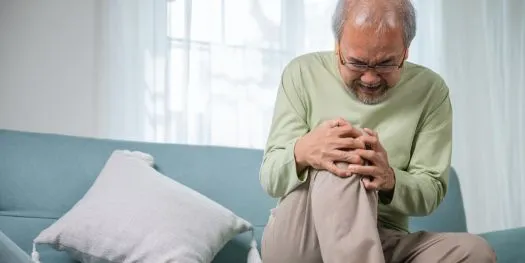
Studies find a strong connection between winter joint pain and things like falling barometric pressure, shifts in temperature, and high humidity. This issue isn’t just imagined. Scientific studies confirm that cold seasons have an impact on joint tissues, blood flow, and nerves making old joint problems hurt more.
Table of Contents
Understanding Winter Joint Pain: Why Cold Weather Affects Your Body
When the temperature drops, winter joint pain becomes more common because of certain changes in the body. The body reacts to the cold in ways that affect how joints feel and function.
In cold weather, the synovial fluid inside joints, which acts like a lubricant, gets thicker and works less . This makes moving joints harder and can cause stiffness and pain. At the same time cold weather narrows blood vessels slowing blood flow to the joints and nearby tissues.
People often notice their joints aching as colder weather approaches sometimes even before everyone realizes the weather has shifted. This happens because joint tissues are surprisingly good at detecting changes in barometric pressure.
The discomfort goes beyond just being a minor annoyance. Winter joint pain can affect how people get through their day, perform at work, and enjoy life overall. Learning how this works helps individuals take control to manage their symptoms better.
Why Joints Hurt When Cold: The Science Behind Winter Discomfort
Scientists have researched why joints feel worse in colder temperatures, and they have found several important reasons why this happens.
Barometric pressure has a big effect on how intense joint pain feels. When pressure in the atmosphere drops before a storm or a weather shift, the tissue around joints can swell up a bit. This swelling increases pressure on the joints if someone already has arthritis or past injuries.
Shifts in temperature change how sensitive nerves are. Cold weather often increases how much pain receptors react, which can make joint problems feel worse in the wintertime. If your joints ache in the cold, you’re going through a normal physical reaction that many people around the globe experience.
Low humidity also plays a role in making joints uncomfortable. During winter when the air is drier, it impacts how tissues stay hydrated and how joints stay lubricated. When you combine this with changes in temperature and air pressure, it can lead to a perfect mix of conditions that heighten joint pain.
People often say their bones hurt when it gets cold, but the real pain comes from the tissues near the bones, not the bones themselves. The feeling of bones hurting in the cold happens because changes in air pressure can affect joints, ligaments, and the muscles around them.
When cold weather makes bones feel sore, it often points to issues like joint sensitivity or chronic conditions such as osteoarthritis, rheumatoid arthritis, or fibromyalgia. These problems can make someone more likely to experience pain that reacts to changes in the weather.
Cold weather impacts several parts of the body all at once causing discomfort. Blood vessels tighten, which limits the nutrients that reach joint tissues, and muscles become tense as the body works to stay warm. Together, these effects make it feel like the bones are aching even when they are not.
Grasping how this process works lets patients see that their symptoms are real and manageable. It also shows them that pain isn’t just something they should put up with during colder months.
Scientific Evidence and Data
| Weather Factor | Correlation with Joint Pain | Research Finding |
| Barometric Pressure | r = 0.35 (positive correlation) | Higher pressure = more pain |
| Temperature | r = -0.36 (negative correlation) | Lower temperature = more pain |
| Relative Humidity | r = 0.086 (weak positive) | Higher humidity = slightly more pain |
| Seasonal Impact | 33 million adults affected | Particularly impacts arthritis patients |
A comprehensive meta-analysis of 14 observational studies revealed significant associations between weather parameters and osteoarthritis pain. The research demonstrates that barometric pressure shows the strongest correlation with joint pain intensity, followed closely by temperature changes.
These findings validate what many patients have long suspected – that weather changes genuinely affect joint comfort levels. The data supports the need for proactive winter joint pain management strategies.
Patient Case Study: Real Experience with Winter Joint Pain
Who is the Patient? Maria, a 52-year-old woman from Greater Noida, faced worsening joint pain every winter over three years until she decided to seek help.
Symptoms: Maria felt serious pain in her knee and hip joints in December and January. She described it as a “deep ache that gets worse before it rains.” Mornings were tough for her, with stiffness that lasted over an hour during the colder months.
Treatment Approach: Maria talked to an orthopedic specialist and started a full treatment plan. This included:
- Doing simple daily exercises suggested by a physiotherapist in Greater Noida
- Using heat therapy like warm baths and heating pads
- Taking anti-inflammatory pills during bad flare-ups
- Changing her lifestyle such as wearing layers and staying active indoors
Outcome: After about six weeks, she said her morning stiffness went down by 60%, and her movement got much better over the winter. She’s still following her routine and finds her symptoms easier to deal with when it’s cold.
Main Takeaway: Early action and thorough care enhance the results in managing joint pain during winter.
Effective Joint Pain in Winter Remedies for Long-term Relief
Doctors suggest different ways to ease joint pain during the colder months, depending on how bad your symptoms are and what you need. The most effective remedies mix using heat light physical activity, and the right medical treatments.
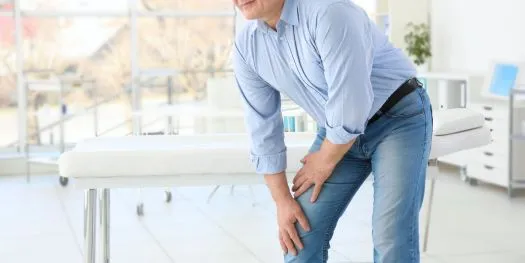
Using Heat Therapy: Taking warm baths using heat pads, or wearing heated clothes can bring relief. These methods help boost blood flow and relax tight muscles. Many people feel much less stiff in the mornings if they begin their day with a warm shower.
Exercise and Movement: Staying active is vital to keeping your joints healthy in the winter. Doing things indoors like swimming, practicing yoga, or just walking in warm spaces can keep your joints flexible and muscles strong. To get specific exercises that ease joint pain, you can visit a skilled physiotherapist in Greater Noida.
Medical Interventions: Using anti-inflammatory medicines available at stores can reduce pain when weather changes become harsh. But always check with your doctor before beginning any medicine if you plan to use it for a long time.
Lifestyle Changes: Wearing the right clothes, keeping your home warm, and drinking enough water can make your joints feel better during chilly winters.
Joint Pain Warning Signs & How the Right Doctor Can Help
People looking to find the Best doctor for joint pain in Greater Noida have many great choices for full orthopedic care. To find the right doctor totreat joint pain in Greater Noida, one should think about factors like the doctor’s experience, their area of expertise, and the success of their treatments.
Find the Right Orthopedic Expert
Best orthopedic doctors in Greater Noida provide complete services for joint health such as diagnosing problems, making treatment plans, and managing ongoing joint issues that come up during winter. Many patients suggest visiting a top orthopedic doctor in Greater Noida if winter joint problems don’t improve with simple methods.
Dr. Bharat Goswami has more than 11 years of experience and holds an MS in Orthopedics from King George’s Medical University. He shows the high level of specialists available in the area. He is skilled in joint replacement spine surgery, and sports medicine. He can handle tough winter joint pain cases .
Complete Bone & Joint Orthopedic Care
General orthopedics care in Greater Noida to treat bones and joints covers all kinds of musculoskeletal problems, including sudden injuries and long-term issues like arthritis. This care involves both operations and treatments that do not need surgery.
Meeting with a physiotherapist in Greater Noida helps create treatment plans tailored to each person’s needs and lifestyle. This teamwork ensures patients get thorough care that looks at every part of their joint health.
Asked Questions
Q: Is winter joint pain an actual medical issue?
A: Yes, winter joint pain is a real condition backed by science. Research confirms a strong link between changes in weather and the intensity of joint discomfort.
Q: Who is most likely to feel joint pain in winter?
A: People who already deal with joint issues like arthritis, fibromyalgia, or old injuries often feel it the most. Still even people without those problems can sometimes notice their joints ache because of the weather.
Q: When should I visit a doctor about winter joint pain?
A: You should see a doctor if the pain makes it hard to go about your daily life sticks around for more than a few days, or doesn’t get better with simple treatments like using heat or taking basic pain meds.
Q: Is there a way to stop winter joint pain from happening?
A: It’s not possible to stop joint discomfort from cold weather, but you can take steps to ease it. exercising, staying warm, and having a good treatment routine can make a big difference.
Q: Can certain exercises help ease joint pain during winter?
A: Yes, doing light stretches, engaging in low-impact activities like walking, and building strength with simple workouts can improve flexibility and lessen discomfort. You can ask a physiotherapist to suggest exercises suited to your needs.
Conclusion
Winter joint pain is a real, scientifically-backed phenomenon that affects millions of people each year. Understanding the triggers – including barometric pressure changes, temperature drops, and humidity fluctuations – empowers patients to take proactive steps in managing their symptoms.
For Greater Noida residents experiencing persistent winter joint pain, quality healthcare options are available locally. Whether seeking conservative treatment or specialized interventions, the region offers experienced orthopedic specialists and comprehensive care facilities to address all aspects of joint health during challenging winter months.

Dr.Bharat Goswami
Consultant Orthopaedic Surgeon – Fortis Hospital Greater Noida MBBS, MS (Orthopaedics – KGMU), DNB (Orthopaedics – NBE)