
Knee injuries can affect anyone—from people who play sports occasionally to those managing the physical demands of daily work. Among these injuries, ligament tears are considered one of the more serious conditions affecting the knee. They can limit movement, cause instability, and significantly impact overall quality of life.
Understanding the common causes, recognizing early symptoms, and being aware of available treatment options are essential for proper care and recovery. Knee ligament tears may occur due to sudden trauma, sports-related injuries, repetitive strain, or gradual wear and tear associated with aging.
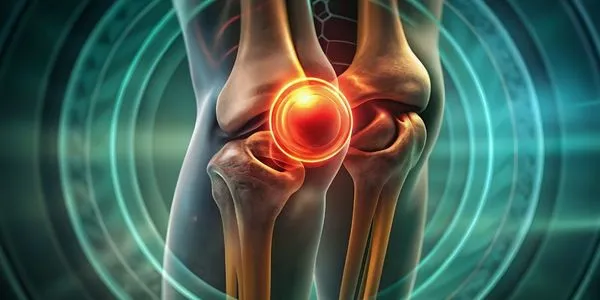
Effective treatment begins with an accurate diagnosis and guidance from qualified medical professionals. With timely evaluation and a well-planned treatment approach, many individuals can regain knee strength, mobility, and function, allowing them to return to their normal daily activities safely.
Table of Contents
Understanding Knee Ligament Anatomy and Function
Your knee joint needs four main ligaments to stay stable and work . The anterior cruciate ligament (ACL) and posterior cruciate ligament (PCL) help control back-and-forth movement. The medial collateral ligament (MCL) and lateral collateral ligament (LCL) keep the knee stable side to side. Together, these ligaments make sure your knee stays stable while you move, but they can get injured during physical activities.
If one of these ligaments gets hurt, the damage can range from mild pain to total loss of knee function. Today, treating a torn knee ligament includes options like surgery or more simple treatments, depending on how bad and where the injury is.
Common Causes and Risk Factors
Injuries from Sports
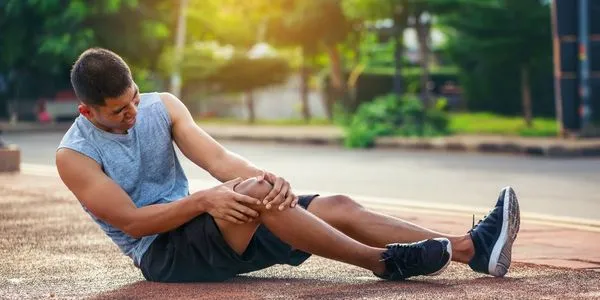
Playing sports often leads to knee ligament tears in games where players change direction , jump a lot, or face physical contact. Sports like basketball, football, soccer, and skiing are the most likely to cause ACL injuries. Orthopedic surgeons in Greater Noida treat patients hurt during recreational activities at local sports grounds.
Daily Life and Unexpected Causes
Knee ligament injuries do not happen during sports. Everyday actions like stepping off a curb, slipping on a wet floor, or even standing up from a chair can damage ligaments among older people. Traffic accidents and injuries at work also cause many ligament issues in the Greater Noida area.
Impact of Age
As people grow older, ligaments can lose their flexibility and strength. This makes them more prone to injuries. Once someone is past 40 even small mishaps can lead to ligament tears, something younger individuals might avoid.
Warning Signs and Symptoms You Shouldn’t Ignore
Right Away After Injury
When a knee ligament tears, you might hear or feel a sudden “pop.” Sharp pain sets in and your knee may start swelling . Many individuals describe the sensation as if their knee “gave out” or became unstable. A skilled orthopedic doctor in greater Noida can recognize these typical signs during a check-up.
Symptoms That Show Up Later
In the next few hours or even days after the injury other signs could start appearing:
- Major swelling that doesn’t improve with basic first aid
- Trouble putting weight on the injured leg
- Noticeable bruises around the knee area
- Difficulty moving the knee
- Unsteadiness while trying to walk
When You Should Get Emergency Help
Some signs mean you need urgent medical help. Get emergency care right away if you have extreme pain, can’t move your knee at all, notice a clear deformity, or have circulation issues. Acting fast to treat a torn knee ligament can help you avoid lasting damage and bring back normal movement.
Understanding Knee Ligament Tear Treatment Options
Non-Surgical Treatment Methods
Not every ligament tear needs surgery. Many Grade 1 tears and some Grade 2 ones heal well with basic treatment. To start, people often follow the RICE method, which means rest, ice, compression, and elevation. After that, they move on to set physical therapy routines.
Strengthening the muscles around the knee becomes the main focus in physical therapy. This helps support the injured ligament. Sticking to a rehab plan can often lead to noticeable recovery in about 6 to 12 weeks.
Surgical Treatment
Doctors usually suggest surgery for more severe Grade 3 tears or if regular treatments do not work. Arthroscopic surgery, which is less invasive, is used in these cases. Surgeons rebuild the ligament using tissue from the patient or from a donor.
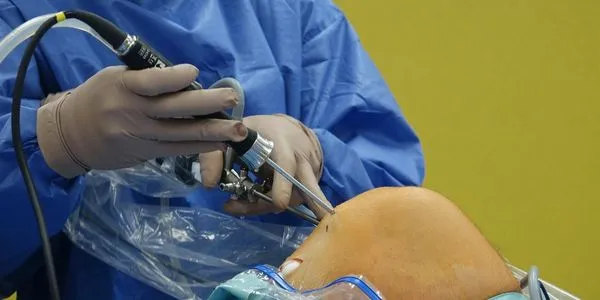
Deciding on surgery involves looking at many things like a person’s age, daily activities, and the specific ligament that is damaged. People trying to find the best knee pain doctor in Greater Noida should talk with their orthopedic doctor about all the possible treatments.
Treatment Timeline and Recovery Expectations
| Treatment Phase | Duration | Key Activities | Expected Outcomes |
| Acute Phase | 1-2 weeks | Pain management, RICE protocol | Reduced swelling, controlled pain |
| Early Mobility | 2-6 weeks | Gentle exercises, range of motion | Improved flexibility, basic function |
| Strengthening | 6-12 weeks | Progressive resistance training | Muscle strength, stability |
| Return to Activity | 3-12 months | Sport-specific training | Full function restoration |
Patient Success Story
How Rajesh Got Back to Cricket
Rajesh, a 28-year-old software engineer who loves cricket, tore his ACL completely while playing in a weekend match in Greater Noida. The injury left him worried about the possibility of surgery and a long recovery period. Determined to return to normal activity, he consulted Dr. Bharat Goswami, who explained the condition in detail and guided him through the latest techniques available for ACL reconstruction and rehabilitation.
“I was scared about the surgery and if I could ever play cricket again,” Rajesh shared. “But learning about the procedure and what to expect during recovery helped ease my fears.”
After the arthroscopic ACL surgery, Rajesh threw himself into a planned rehab process. His recovery journey involved:
- Resting and managing pain for 2 weeks
- Doing physical therapy for 8 weeks with gradual challenges
- Training to rebuild strength over 4 months
- Focusing on cricket-specific skills for 6 months
Eighteen months after surgery, Rajesh has made his way back to playing competitive cricket. He mentions feeling no restrictions in his daily activities. His story underlines why picking experienced professionals and sticking to a solid rehabilitation process matter so much.
Prevention Strategies for Knee Health
Build Strength
Strengthening the muscles like the quadriceps, hamstrings, and calves is key to supporting the knee’s ligaments. Doing simple moves such as squats, lunges, or leg lifts can lower the chances of getting injured.
Do a Proper Warm-Up
Warming up the right way before any physical activity is crucial. Doing dynamic stretches and increasing activity levels helps ligaments handle the strain from sports or exercise.
Equipment and Environment Considerations
Choosing the right shoes for what you are doing and making sure the surfaces you play on are safe can help avoid a lot of knee injuries. This matters for people who participate in sports at the facilities in Greater Noida.
Asked Questions
Q: How can I tell if I need surgery for a torn knee ligament?
A: Doctors suggest surgery when the tear is complete (Grade 3), if you’re a young and active person, or if other treatments do not bring back stability. Your orthopedic doctor will check things like your age, how active you are, and which ligament is damaged.
Q: How much time does it take to recover after knee ligament surgery?
A: Recovery depends on the person and the kind of injury. Most people get back to everyday activities in 6 to 9 months. Athletes might take around 9 to 12 months to return to competitive sports.
Q: Is it possible to stop future knee ligament injuries?
A: You cannot stop all injuries, but keeping your leg muscles strong, warming up , and using the right techniques during activities can help lower the chances.
Q: What are important things to consider when picking an orthopedic surgeon?
A: You should choose a surgeon with board certification, experience treating your type of injury, knowledge of modern surgical methods, and good rehabilitation plans. A Best orthopedic surgeon in Greater Noida will also explain all the treatment options .
Q: Are there any non-surgical ways to treat ACL tears?
A: Doctors can sometimes manage partial ACL tears or injuries in older less active people without surgery. They may suggest physical therapy along with changes to daily activities. But for complete ACL tears in active individuals, surgery is needed to fix the problem.
Taking the Next Step in Your Recovery
Tearing a knee ligament doesn’t mean you need to give up staying active. With an accurate diagnosis, the right treatment, and sticking to your rehab plan most people recover well and get back to doing what they love. It is important to get care from an expert and follow their treatment steps .
If your knee hurts or you think you might have a ligament injury, see a specialist right away. Acting early brings better results and can stop more problems from happening. Getting back on track starts with reaching out for the right medical help.
Disclaimer: This piece is for sharing general information and is not a substitute for professional medical guidance. Always talk to trained healthcare professionals to diagnose and treat knee issues.
Dr.Bharat Goswami
Consultant Orthopaedic Surgeon – Fortis Hospital Greater Noida MBBS, MS (Orthopaedics – KGMU), DNB (Orthopaedics – NBE)