
Recovering from knee replacement surgery can feel overwhelming at first — pain, stiffness, and limited movement make even simple daily activities like walking or climbing stairs feel difficult. The good news is that the right exercises after knee replacement are your most powerful tool for getting better faster.
This complete guide covers when to start, which exercises are safe, and how to follow a routine that helps you regain strength, mobility, and confidence — step by step.
Table of Contents
Understanding Knee Replacement Surgery and Why Exercise Matters
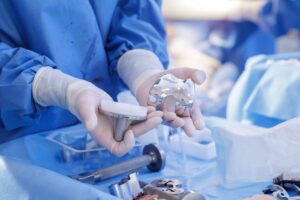
Knee replacement surgery — or knee arthroplasty — removes damaged, arthritic joint surfaces and replaces them with metal and plastic implants. The surgical procedure itself takes 1-2 hours. But the real work of recovery happens over the following weeks and months — and exercise is at the centre of it.
After knee replacement, the muscles around the joint are weakened from surgical trauma and weeks or months of inactivity before the operation. The new joint depends on these surrounding muscles for stability, support, and proper function. Without regular targeted exercise, the muscles stay weak, the knee stiffens, scar tissue forms inside the joint, and full recovery does not happen.
Why Is It Essential to Do Exercises After Knee Replacement?
Doing the right exercises after knee replacement surgery produces specific, measurable benefits:
- Prevents stiffness and scar tissue — movement stops adhesions from forming inside the joint, which restricts the range of motion permanently
- Rebuilds quadriceps strength — the quadriceps directly support the new knee during walking and stair climbing
- Reduces swelling — muscle contractions pump fluid away from the joint, reducing inflammation faster
- Restores balance and stability — training proprioception reduces fall risk during recovery
Studies show that patients who begin physiotherapy within 24 hours and follow a consistent home exercise programme achieve significantly better range of motion and functional outcomes at 3 and 6 months.
When Can You Start Exercises After Knee Replacement?
The answer surprises most patients — within 24 hours of surgery. Advanced knee replacement protocols prioritise early mobilisation because staying in bed increases the risk of blood clots, weakens muscles faster, and allows scar tissue to form at a stage when it is preventable.
General exercise timeline:
| Phase | Timeframe | Exercise Focus |
| Immediate | Hours 1-24 post-surgery | Ankle pumps, quad sets, bed exercises |
| Early recovery | Days 2-14 | Heel slides, straight leg raises, short walks |
| Mid recovery | Weeks 2-6 | Standing exercises, step training, and longer walks |
| Active recovery | Weeks 6-12 | Stationary cycling, strengthening, and balance work |
| Full recovery | 3-6 months | Progressive strengthening, return to full activity |
Always follow your surgeon’s specific instructions — this timeline is a general guide and individual programmes may vary based on health status, implant type, and surgical approach.
10 Best Exercises After Knee Replacement for Faster Recovery
These 10 exercises are arranged from the earliest post-operative stage through to the active recovery phase. Start with exercises 1-4 in the hospital, progressing as your strength and comfort improve.
1. Ankle Pumps
When: Start within hours of surgery — even in the hospital bed.
Lie flat on your back. Flex your foot upward toward you, hold for 2-3 seconds, then point it away. Repeat 10-15 times every hour when awake.
Why it works: Ankle pumps activate the calf muscle pump — the mechanism that pushes blood upward from the leg back toward the heart. This directly reduces DVT risk, which is elevated after knee replacement surgery.
2. Quad Sets (Quadriceps Activation)
When: Day 1 post-surgery.
Lie flat with your leg straight. Tighten the quadriceps muscle (front of thigh) by pressing the back of your knee gently downward into the bed. Hold for 5-10 seconds, relax, and repeat 10 times.
Why it works: The quadriceps are the most important muscle for knee stability and walking. Quad sets reactivate this muscle after surgery when it tends to “switch off” due to post-operative pain and swelling.
3. Heel Slides
When: Day 2-3 post-surgery.
Lie flat. Slowly slide your heel toward your buttock, bending the knee as far as comfortable. Hold briefly, then slowly slide back. Repeat 10-15 times.
Why it works: Heel slides are the foundational exercise for restoring knee flexion (bending). The target is 90 degrees of bend within the first 3 weeks — heel slides are the primary tool for reaching this milestone.
4. Straight Leg Raises
When: Day 2-3 post-surgery.
Lie flat. Bend the non-operated knee with the foot flat. Keep the operated leg straight and raise it to the height of the opposite knee. Hold 3-5 seconds, lower slowly. Repeat 10 times.
Why it works: Straight leg raises build quadriceps and hip flexor strength without bending the knee — making them safe and very effective in the very early recovery stage.
5. Heel and Toe Raises (Standing)
When: Days 3-7, when standing with support.
Stand holding a stable surface. Rise onto your toes, hold for 3 seconds, and lower. Then lift your toes off the floor, hold for 3 seconds, and lower. Repeat 10 times each.
Why it works: Builds calf and shin muscle strength — essential for walking stability and stair climbing — while gently improving ankle mobility alongside knee recovery.
6. Knee Bends (Seated)
When: Days 4-7.
Sit in a firm chair with feet flat on the floor. Slowly slide your operated foot backwards, bending the knee as far as comfortably possible. Hold 5 seconds, return. Repeat 10-15 times.
Why it works: Seated knee bends use gravity and body position to increase knee flexion range of motion — complementing the supine heel slides and targeting the 110-120 degree flexion goal required for daily activities like stairs and car entry.
7. Short Arc Quads
When: Week 1-2.
Lie flat with a rolled towel or firm pillow under your knee. Straighten the knee fully, raising the heel off the bed. Hold 5-10 seconds, lower slowly. Repeat 10-15 times.
Why it works: Short arc quads isolate the terminal range of quadriceps extension — the last 30 degrees of straightening that is essential for a normal walking pattern and that often remains weak the longest after surgery.
8. Standing Knee Bends
When: Week 2-3.
Stand holding a stable surface. Slowly bend the operated knee backwards, bringing your heel toward your buttock. Hold briefly, lower slowly. Repeat 10 times.
Why it works: Standing knee bends build hamstring strength and improve active knee flexion — progressing the range of motion work started with heel slides and seated bends while adding the balance challenge of standing.
9. Step-Ups
When: Week 3-6, when cleared by your physiotherapist.
Using a single low step, step up with the operated leg leading, bringing the other foot up to join it. Step down, leading with the non-operated leg. Repeat 10 times.
Why it works: Step-ups are one of the most functional exercises after knee replacement — directly training the movement pattern required for stair climbing, which is one of the most common daily challenges during recovery.
10. Stationary Cycling
When: Week 4-6, when knee flexion reaches 90+ degrees.
Set the seat height high enough that the knee only bends slightly at the bottom of the pedal stroke. Begin with 5-10 minutes at low resistance, gradually increasing duration and resistance over weeks.
Why it works: Stationary cycling is the single best cardiovascular and joint rehabilitation exercise for knee replacement recovery. It builds quadriceps and hamstring strength, improves knee flexion, and maintains cardiovascular fitness — all without the impact loading of walking or jogging.
Safety Tips While Doing Exercises After Knee Replacement
Following these safety guidelines protects your new joint and prevents setbacks during recovery:
- Never push through sharp pain — mild aching during exercise is normal; sharp pain is not. Stop and rest.
- Ice after every session — 15 minutes of wrapped ice reduces exercise-related swelling effectively
- Avoid twisting the knee — rotational stress is one of the most common sources of early complications
- Use walking aids as prescribed — do not abandon your frame or crutches before your surgeon clears you
How Many Times a Day Should You Exercise After Knee Replacement?
During the early recovery phase, the ideal frequency is 3-4 short sessions per day — not one long session.
Short, frequent exercise sessions produce better recovery outcomes than single long sessions because they maintain consistent joint movement throughout the day, preventing stiffness from building up between sessions. A typical daily routine looks like:
- Morning: 15-20 minutes (bed exercises + walking)
- Midday: 10-15 minutes (seated and standing exercises)
- Afternoon: 15-20 minutes (progressive exercises + walking)
- Evening: 10 minutes (gentle range of motion + icing)
As recovery progresses into weeks 6-12, formal sessions can consolidate into 1-2 per day with longer duration and higher intensity.
Benefits of Exercise After Knee Replacement Surgery
The measurable benefits of a consistent post-operative exercise programme after knee replacement include:
- Return to independent walking 2-4 weeks faster than non-exercising patients
- Significantly better knee flexion angles at 3 and 6 months
- Lower risk of post-operative DVT and pulmonary embolism
- Higher patient satisfaction and lower revision surgery risk at 12 months
Frequently Asked Questions
1. What can you never do after a knee replacement?
Avoid running, jumping, and contact sports permanently — and in the first 3-6 months, avoid deep squatting, kneeling directly on the operated knee, or any activity causing sharp joint pain.
2. Can too much walking damage a knee replacement?
Yes — excessive walking before the implant fully integrates increases swelling and stresses the fixation. Always follow your surgeon’s walking guidelines rather than the pain level alone.
3. Which food makes the knee stronger?
Protein-rich foods support tissue repair, anti-inflammatory foods like oily fish and turmeric reduce joint inflammation, and calcium plus Vitamin D support bone health around the implant.
4. How to build knee strength quickly after replacement?
Daily quad sets, straight leg raises, and short arc quads in weeks 1-2 — then progressing to step-ups and stationary cycling from weeks 4-6 — produce the fastest strength rebuild.
5. What is the best exercise after total knee replacement?
Stationary cycling — it builds quadriceps and hamstring strength, improves flexion, and maintains cardiovascular fitness with no impact loading on the new joint.
Conclusion
The exercises you do after knee replacement are just as important as the surgery itself. Consistent, structured movement from day one is what turns a successful operation into a fully functional outcome.
Dr. Bharat Goswami — Best Orthopedic Surgeon in Greater Noida provides advanced knee replacement surgery with complete post-operative guidance — helping every patient achieve the recovery their new knee is designed to deliver.