
Knee pain can quietly take over your life. Getting up from a chair, climbing stairs, or even walking to the kitchen becomes a challenge for you every single day. If this sounds familiar, you are not alone — and knee replacement surgery might be the turning point you have been waiting for.
This complete guide walks you through everything — what happens before and after knee replacement surgery, how to prepare, what recovery really looks like, and the results patients actually experience.
Table of Contents
What Is Knee Replacement Surgery?
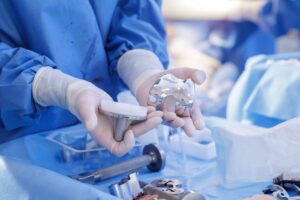
Knee replacement surgery, also called knee arthroplasty, is a procedure where a damaged or affected knee joint is replaced with an artificial implant made of metal and plastic. The goal is simple: relieve pain, restore movement, and help you get back to living your life.
It is one of the most commonly performed orthopedic procedures in the world, and knee replacement surgery is one of the most successful surgeries. Studies show that over 90% of patients experience significant pain relief and improved function after surgery.
There are two main types:
- Total knee replacement (TKR) — the entire knee joint is replaced
- Partial knee replacement (PKR) — In partial knee replacement, only the damaged part is replaced, preserving healthy bone
Common Reasons Why People Need Knee Replacement Surgery
Most patients who undergo knee replacement have been living with progressive joint damage for years. The most common causes include:
- Osteoarthritis — the most frequent reason; cartilage wears away over time, leaving bone rubbing against bone
- Rheumatoid arthritis — an autoimmune condition that inflames and destroys joint tissue
- Post-traumatic arthritis — develops after a serious knee injury
- Avascular necrosis — bone death due to reduced blood supply
- Severe knee deformity — bow-legged or knock-kneed alignment that worsens over time
Signs That You Might Need a Knee Replacement
Not sure if surgery is right for you? These are the signs that most orthopaedic surgeons look for before recommending knee replacement surgery:
- Constant knee pain that does not improve with rest, medication, or physiotherapy
- Significant swelling and stiffness in the knee joint
- Difficulty in performing everyday tasks like walking, sitting, or climbing stairs
- Knee pain that disturbs your sleep at night
- Visible deformity — the knee looks visibly bent or swollen
If you are experiencing three or more of these, it is time to speak with an orthopaedic specialist.
Benefits of Knee Replacement Surgery
Understanding the benefits helps you make a confident, informed decision:
- Pain relief — the most reported benefit; most patients describe a dramatic reduction in pain within weeks
- Restored mobility — walking, climbing stairs, and light exercise became possible again
- Better sleep quality — no more lying awake due to joint pain
- Improved quality of life — return to activities you had given up
- Long-lasting results — modern implants last 15 to 20 years with proper care
- Mental health improvement — reduced pain directly impacts mood, confidence, and independence
How to Prepare for Knee Replacement Surgery
Good preparation makes a real difference in how smoothly your surgery and recovery go. Here is what you should do in the weeks before your operation:
Choose the Right Surgeon
- Specialises in joint replacement and orthopaedic surgery
- Has strong patient reviews and proven outcomes
- Explains risks, recovery, and expectations clearly
Preparing Your Body Before Surgery
- Get a full medical check-up and control existing conditions
- Strengthen leg muscles with basic physiotherapy
- Stop smoking and maintain a healthy weight if advised
Preparing Your Home
- Arrange a comfortable recovery space
- Remove trip hazards like loose rugs
- Keep essential items and support ready
Watch Your Food and Medicine
- Follow the doctor’s advice on medications before surgery
- Stay hydrated and eat a balanced diet
- Inform your doctor about all medicines or supplements
What to Expect on Surgery Day
Knowing what happens on the day of surgery can reduce anxiety and help you feel more prepared before and after knee replacement surgery.
On the day of your procedure:
- You will be asked not to eat or drink for 6–8 hours before surgery
- The doctor will explain anesthesia options (general or spinal)
- The procedure usually takes 1–2 hours
- Damaged bone and cartilage are replaced with an artificial implant
Most patients are encouraged to stand and take a few steps on the same day or the following morning — this early movement is intentional and important for recovery.
Immediate Post-Surgery Care: The First Few Days
The first 48–72 hours after surgery are the most closely monitored. Here is what typically happens:
- Pain management — the medical team will keep you comfortable with prescribed pain relief
- Physiotherapy begins immediately — gentle exercises start within 24 hours to prevent stiffness and blood clots
- Ice and elevation — your knee will be elevated and iced regularly to reduce swelling
- Hospital stay — most patients stay 2 to 4 days before discharge
- Wound care — dressings are changed regularly; you will be taught how to care for the wound at home
After Knee Replacement Surgery: Week-by-Week Recovery Timeline
Recovery from knee replacement is gradual but consistent. Here is a realistic picture of what to expect:
Week 1–2: Pain is highest in this phase, but manageable with proper medication. You will use a walker or crutches. Daily physiotherapy exercises are crucial. Swelling is normal.
Week 3–6: You will notice real improvement. Most patients transition from a walker to a walking stick. Swelling reduces. You can manage basic tasks independently.
Week 6–12: Many patients return to driving (check with your surgeon). Physiotherapy continues. You can walk longer distances without support. Stairs become manageable.
3–6 Months: Significant functional recovery. Pain is minimal. Most patients return to work, light activity, and social life.
6–12 Months: Full recovery. The knee continues to strengthen. You can enjoy walking, swimming, cycling, and light recreational activities.
Preparing for Postoperative Life: How to Make Recovery Faster
Recovery does not happen on its own — your daily habits have a major impact. Here are the most effective things you can do:
- Do your physiotherapy every single day — this is non-negotiable for good outcomes
- Walk regularly — short, frequent walks are better than one
- Manage swelling — ice the knee for 20 minutes after exercises
- Take your medication as prescribed — do not skip pain relief in the early weeks
- Eat well — protein, calcium, and vitamin D support bone and tissue healing
- Sleep correctly — sleep on your back with a pillow under your calf, not your knee
- Attend every follow-up appointment — your surgeon monitors progress and catches any issues early
- Be patient — full recovery takes up to a year; progress is not always linear
Real Results: What Life Looks Like After Knee Replacement
Most patients experience a major improvement in their quality of life after surgery. The difference before and after knee replacement surgery is often life-changing.
- Over 90% of patients report long-term pain relief
- Most regain normal daily activities within 3–6 months
- Knee replacement has one of the highest patient satisfaction rates
- Modern implants can last 15–20 years or more
After recovery, many patients return to walking, climbing stairs, and living without constant pain, making everyday life much easier and more comfortable.
FAQs
1. Is life better after knee replacement?
Yes, for most patients, life improves significantly. Pain reduces, mobility increases, and daily activities like walking and climbing stairs become much easier after recovery.
2. How much bed rest is required after knee replacement?
Very little bed rest is needed. Patients are usually encouraged to start walking within 24–48 hours, as early movement helps prevent stiffness and speeds up recovery.
3. What can you never do after a knee replacement?
High-impact activities like running, jumping, or heavy lifting should be avoided to protect the implant. However, low-impact activities like walking and cycling are generally safe.
4. How to sleep after a knee replacement?
High-impact activities like running, jumping, or heavy lifting should be avoided to protect the implant. However, low-impact activities like walking and cycling are generally safe.
5. What is the fastest way to recover from a knee replacement?
The fastest recovery comes from regular physiotherapy, staying active with constant light walking, following medical advice, and maintaining a healthy diet and routine.
Conclusion
Understanding what happens before and after knee replacement surgery removes the fear and helps you make the best decision for your health. The journey from chronic pain to restored mobility is very real — and for most patients, it is one of the most positive healthcare decisions they ever make.
If you are considering knee replacement and want to know whether it is right for you, speaking with the right surgeon makes all the difference.
Dr. Bharat Goswami — Best Orthopedic Surgeon in Greater Noida brings deep expertise in knee replacement and joint reconstruction, with a patient-first approach that guides you from your first consultation all the way through recovery.